
Overview
Sarajevo is the capital and largest city of Bosnia and Herzegovina (population about 400,000), in a long narrow valley along the Miljacka River between the Dinaric Alps. The city's defining identity comes from being one of Europe's only truly multi-religious cities — within a single 1-kilometer-radius walk in central Sarajevo, you can visit a major mosque (the 16th-century Gazi Husrev-beg Mosque, the largest Ottoman-era mosque in the Balkans), a Catholic cathedral (the Sacred Heart Cathedral, 1889), an Orthodox cathedral (the Cathedral of the Nativity of the Theotokos, 1872), and a Sephardic Jewish synagogue (the Old Synagogue, 16th century). This unique religious-and-cultural concentration earned Sarajevo the nickname 'Jerusalem of Europe' from the 16th century onward, the Ottoman Empire's Sarajevo became a refuge for Sephardic Jews expelled from Spain in 1492, who joined the already-resident Bosnian Muslims, Orthodox Serbs, and Catholic Croats, producing an unusually integrated multi-religious urban culture that has continued (with significant interruptions) for 500+ years.
Sarajevo's modern global reputation rests on two pivotal historical moments. First, the assassination of Archduke Franz Ferdinand of Austria-Hungary by Bosnian Serb nationalist Gavrilo Princip on June 28, 1914, at the corner of the Latin Bridge in central Sarajevo, the event that triggered the chain reaction leading to World War I. The exact spot (with a small commemorative plaque) is one of Europe's most consequential single locations. Second, the Siege of Sarajevo (1992-1996, 1,425 days, the longest siege of a capital city in modern history), when Bosnian Serb forces surrounded the city during the Bosnian War, with 11,500+ residents killed (over 1,600 of them children) and the city's infrastructure systematically destroyed. The visible recovery has been remarkable, most rebuilt buildings retain visible 'Sarajevo Roses' (the red-resin-filled craters of mortar shell impacts, preserved as memorials), and many neighborhoods near the surrounding hills still show wartime damage. Sarajevo's distinctive layered identity now includes this 20th-century trauma alongside the older multi-religious richness.
The defining travel-quality of modern Sarajevo is the dense historic concentration. Baščaršija, the central Ottoman-era bazaar district, originally laid out in 1462 — contains the surviving caravanserais, the Brusa Bezistan covered market, the famous Sebilj wooden fountain in the central square, and dozens of small craft workshops continuing the Ottoman-era trades (coppersmiths, leather workers, traditional jewelers). Walking the cobblestone alleys of Baščaršija, you'll smell the famous Sarajevo cevapi grilling at the small lokali restaurants, hear the call to prayer from the Gazi Husrev-beg Mosque, and pass workshops where 4th-and-5th-generation craftspeople still hammer copper into traditional designs. The Tunnel of Hope (Tunel Spasa) is the small museum at the airport-side entrance to the 800m-long tunnel that residents secretly dug under the airport runway during the siege to bring supplies into the city, one of the most affecting modern history museums in Europe. The Yellow Fortress (Žuta Tabija) on the eastern hills above the old town provides the canonical Sarajevo sunset viewpoint. Beyond the city itself, the surrounding mountains hold the relicts of the 1984 Winter Olympics (the abandoned bobsled track on Mount Trebević, the ski resorts of Bjelašnica and Jahorina). Most international visitors stay 3-5 nights, often combined with the famous Mostar (130 km southwest) for a longer Bosnia route.

Best Time to Visit
May to September — mild weather, ideal for walking
Sarajevo has a humid continental climate moderated by its valley position. The genuine sweet spot is May-June and September-October, daytime highs of 65-78F, low humidity, and reliable conditions for the extensive walking the city requires. Summer (July-August) is warm, daytime highs of 80-90F (less brutal than the coastal Adriatic but warmer than Vilnius); evenings cool nicely in the valley. Winter (December-February) is cold (25-40F daytime) with significant snow, the surrounding mountains (Bjelašnica, Jahorina) become the popular ski destinations; the city itself is atmospheric in snow. The Sarajevo Film Festival (mid-August) is the largest annual cultural event.
Top Attractions
Baščaršija Walking & Ottoman Old Town
Free walking; guided tour $10-$25The 1462 Ottoman-era central bazaar district — cobblestone alleys, surviving caravanserais, the Sebilj wooden fountain in the central square, the Brusa Bezistan covered market (now an excellent museum), dozens of small craft workshops, and the surrounding cevapi restaurants. The walk from Sebilj east to the Cathedral and back is the canonical Sarajevo orientation, 2-3 hours including a meal stop.
Gazi Husrev-beg Mosque & Religious Quarter
Mosque entry: $2-$4The 16th-century Ottoman mosque (1531) in central Baščaršija, the largest Ottoman-era mosque in the Balkans, with the surrounding madrasa and turbe (mausoleum). Visit the interior outside prayer times (dress modestly, cover shoulders and knees). Within a 5-minute walk are the Catholic Cathedral, the Orthodox Cathedral, and the Old Synagogue, the famous 'four religions within walking distance' that earned Sarajevo its 'Jerusalem of Europe' nickname.
Tunnel of Hope (Tunel Spasa) Museum
Entry: $8-$15The small but affecting museum at the airport-side entrance to the 800m wartime tunnel that residents secretly dug under the airport runway during the 1992-1996 siege to bring supplies into the city. Walk through the surviving 25m section of original tunnel; see the period photographs, exhibits, and personal testimonies. One of Europe's most affecting modern-history museums.
Latin Bridge & WWI Assassination Site
Bridge free; museum $5-$10The exact corner where Archduke Franz Ferdinand was assassinated by Gavrilo Princip on June 28, 1914, at the northern end of the 16th-century Latin Bridge over the Miljacka River. A small commemorative plaque marks the spot; the adjacent Museum of Sarajevo 1878-1918 gives detailed context on the assassination and the events leading to World War I. Combine with the surrounding riverside walk.
Yellow Fortress (Žuta Tabija) Sunset
FreeThe 18th-century Ottoman fortress on the eastern hills above Baščaršija, 20-minute walk uphill from the old town through the residential neighborhoods of Vratnik. The fortress wall offers the canonical Sarajevo sunset panorama, looking west across the valley to the city's minarets, cathedrals, and surrounding mountains. During Ramadan, the cannon traditionally signals the end of fasting from this location.
Mount Trebević & Olympic Bobsled Track
Cable car: $5-$8; track free to walkThe mountain immediately south of Sarajevo (1,629m summit) — accessible via the restored 2018 cable car from the city center (15-minute ride, $5-$8 round trip). The summit has the abandoned 1984 Winter Olympics bobsled track (now famous for its dramatic graffiti-covered concrete curves and panoramic city views), surrounding forest walking trails, and the wartime front-line memorials. The most popular Sarajevo half-day excursion.

Local Food
Ćevapi
$5-$12 per portionThe defining Bosnian dish, small finger-shaped grilled minced-meat sausages (a Bosnian beef-and-lamb blend), served with somun (lepinja) flat bread, raw chopped onion, kajmak (clotted-cream cheese), and ajvar (red-pepper relish). The most famous Sarajevo ćevapi restaurants are Ćevabdžinica Mostarska, Petica Ferhatović, and Ćevabdžinica Hodžić, all in Baščaršija; standard portion is 5-10 ćevapi per person.
Burek
$2-$6 per portionThe Balkan filo-pastry pie — Bosnian burek is specifically the meat-filled spiral roll (other vegetable fillings are called pita with their respective filling — sirnica = cheese, krompiruša = potato, zeljanica = spinach). Sold at small burekdžinice (burek shops) throughout the city for $2-$6 per portion. The classic Sarajevo street breakfast.
Bosnian Coffee Ceremony
$2-$5 per serviceBosnian coffee — finely ground coffee brewed in a copper džezva pot, served with a small Turkish-style cup, sugar cubes, and a rahat lokum (Turkish delight) on the side. The proper Bosnian coffee ritual involves slow sipping over conversation. The Caffe Slowly, Caffe Tito, and the small kafanas in Baščaršija serve traditional versions. The standard Sarajevo afternoon ritual.
Sogan-Dolma & Bosnian Pot (Bosanski Lonac)
$8-$18 per portionTwo distinctive Bosnian stews — sogan-dolma (whole-onion stuffed dolma with seasoned beef and rice) and Bosnian Pot (Bosanski lonac, a slow-cooked beef-and-vegetable stew with paprika and tomato). Restaurants in Baščaršija (Park Princeva, Inat Kuća) and the traditional Bosnian restaurants serve excellent versions.
Sarajevsko Pivo (Sarajevo Beer)
Pint: $2-$4Bosnia's flagship beer. The Sarajevsko brewery (founded 1864) is the country's oldest continuously operating industrial brewery. The standard pilsner-style lager. Most restaurants and bars serve Sarajevsko (about $2-$4 per pint). The brewery tour and tasting room in central Sarajevo is open to visitors.
Budget Guide
Budget
$25-$70/day
Hostels and budget guesthouses in central Sarajevo ($10-$30/night) — Hostel Franz Ferdinand (the famously named hostel near the assassination site), Doctor's House, Hostel City Center. Local meals at ćevapi places, burek shops, and small restaurants ($4-$10 per meal). Walk the old town and the four-religions district, Yellow Fortress sunset, Tunnel of Hope ($8-$15).
Mid-Range
$60-$160/day
Boutique hotels in or near Baščaršija ($35-$100/night), Hotel Old Town Sarajevo, Isa Begov Hamam Hotel (in a converted 16th-century hammam), Hotel Saraj. Restaurant dinner at Park Princeva, Inat Kuća, or Mala Kuhinja ($20-$45 per person with wine). Private guided old town tour, half-day Mount Trebević + bobsled track excursion, Tunnel of Hope guided visit with wartime-history specialist.
Luxury
$160-$420+/day
Hotel Europe Sarajevo (the historic 1882 grand hotel in central Sarajevo, $120-$280/night), Swissôtel Sarajevo ($150-$350), or Hotel President Sarajevo. Private guide for the old town with a wartime survivor or historian, private chef-led Bosnian cooking class, private day-trip to Mostar and the Stari Most (the famous Ottoman bridge), helicopter tour over the surrounding mountains.
Travel Tips
Fly into Sarajevo (SJJ) — Bosnia's main international airport, 8 km southwest of central Sarajevo. Direct flights from Istanbul (2 hours), Vienna (1h 15m), Munich (1h 30m), Zagreb (1 hour), Belgrade (1 hour), Frankfurt, Dubai, and Doha; seasonal European flights on Wizz Air, FlyDubai, Turkish Airlines, Lufthansa. From airport to central Sarajevo: 20-30 minutes by taxi ($10-$20) or bus ($1-$2).
Sarajevo is genuinely safe. Despite the 1990s wartime reputation, Sarajevo is now one of Europe's safest cities — low violent crime rates, friendly residents, easy night walking in central areas. Standard tourist precautions apply (don't display valuables, use registered taxis at night). The wartime infrastructure has been largely rebuilt; the visible reminders (Sarajevo Roses) are now memorials rather than active concerns.
Bosnian convertible mark (BAM, also written KM) is the currency, pegged 1:1.96 to the Euro. ATMs (UniCredit, Raiffeisen, Sberbank) are common throughout central Sarajevo. Cards work at restaurants, hotels, and tourist attractions; cash for small purchases, ćevapi places, market vendors, and taxis. Euros are sometimes accepted but at unfavorable rates.
The Tunnel of Hope visit is essential. The small museum at the airport-side tunnel entrance is genuinely one of Europe's most affecting modern-history experiences. Allow 1.5-2 hours including the 25m of original tunnel walk-through. The location is 12 km from central Sarajevo; tours run from town center ($25-$50 including transport and admission).
Bring shoes with grip for the old town cobblestones. The Baščaršija cobblestones are uneven and can be slippery when wet. Walking shoes with rubber soles are essential. The climb up to the Yellow Fortress involves steep cobblestone alleys; not appropriate for high heels.
Combine with Mostar and the Bosnian coast for a longer Bosnia route. The standard itinerary: 3-4 nights Sarajevo + 1-2 nights Mostar (the famous Ottoman bridge town, 130 km southwest, 2.5 hours by bus) + 1-2 nights Banja Luka or the Adriatic coast at Neum (Bosnia's small 20-km Adriatic coastline). The full Bosnia route takes 7-10 days; extends naturally to Croatia (Dubrovnik 4 hours from Mostar) or Montenegro (Kotor 5 hours from Mostar).
Vibes
Ready to visit Sarajevo?
Let our AI plan a personalized itinerary with flights, hotels, and activities.
Going with friends? Plan Sarajevo together in a group room, where everyone votes on dates and budget and books their own way.
Related reads

Photo by Clay Banks on Unsplash
Destination Guide
A First-Timer's Guide to Tokyo

Photo by Aayush Gupta on Unsplash
Destination Guide
48 Hours in Lisbon: The Perfect Weekend

Photo by Charlotte Noelle on Unsplash
Destination Guide
Hidden Gems of the Amalfi Coast

Photo by KUSHAGRA DHALL on Unsplash
Destination Guide
7 Best Street Food Cities in the World

Photo by Logan Armstrong on Unsplash
Destination Guide
48 Hours in Barcelona: Sun, Tapas, and Gaudi

Bulgaria
Plovdiv Travel Guide

Lithuania
Vilnius Travel Guide
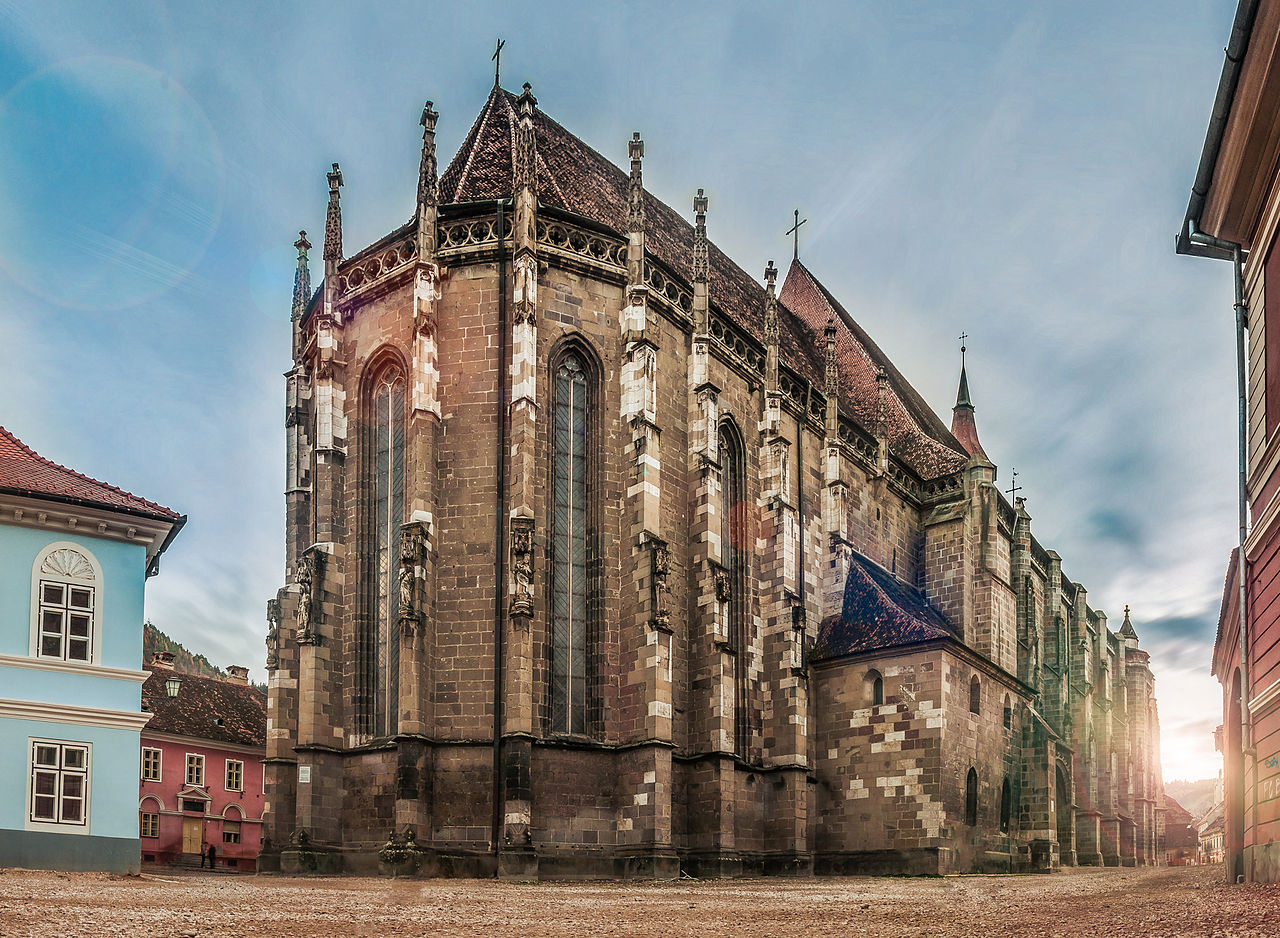
Romania
Brașov Travel Guide

Czech Republic
Český Krumlov Travel Guide

Vietnam
Hue Travel Guide

Photo on Unsplash
Poland
Krakow Travel Guide

Photo on Unsplash
Destination Guide