
Overview
Hue (Huế) is a city of about 360,000 residents in central Vietnam, on the banks of the Perfume River (Sông Hương) about 100 kilometers north of Da Nang and the same distance northwest of Hoi An. The city was Vietnam's imperial capital from 1802 to 1945 under the Nguyễn Dynasty (Vietnam's last imperial dynasty), and the surviving imperial architecture defines the modern travel-quality. The 1802 founding emperor Gia Long modeled his new capital on the Chinese Imperial pattern: a large square citadel (the Hoàng Thành, 'Imperial Enclosure,' 10 km of walls, 6 meters thick) containing the inner Forbidden Purple City (Tử Cấm Thành, the personal residence of the emperor and his family, originally accessible only to the imperial family and eunuch attendants), surrounded by the surrounding fortified Capital City (Kinh Thành, 10 km square with 10 fortified gates). Construction took 27 years (1804-1833) and required the labor of about 80,000 workers. UNESCO inscribed the Complex of Hué Monuments as a World Heritage Site in 1993, recognizing the imperial citadel and the seven surviving royal tombs as one of Vietnam's most important historical-architectural complexes.
Hue's defining travel experiences cluster around the Nguyễn imperial heritage. The Imperial Citadel itself was heavily damaged during the 1968 Tet Offensive (when the city was held by North Vietnamese and Viet Cong forces for 26 days before being retaken by US and South Vietnamese forces in some of the most intense fighting of the Vietnam War — much of the city was destroyed in the recapture, with significant damage to the citadel and the surrounding old town). UNESCO and the Vietnamese government have been gradually restoring the surviving structures since the 1990s; the visible work is meaningful but ongoing. Today's visit covers the surviving inner palaces (the Thái Hòa Palace, the imperial throne room, the Cần Thanh Palace, the emperor's private residence), the surrounding pavilions, and the small museum. The famous Citadel Nine Gates (each with elaborate ornamental decorations) remain intact. The Imperial Citadel walking tour takes 3-4 hours.
Beyond the Citadel, Hue's seven surviving royal tombs are spread across the surrounding countryside along the Perfume River. Each tomb is actually a comprehensive funerary complex (typically built during the emperor's lifetime, taking 5-15 years to complete, including the burial site, the surrounding ceremonial pavilions, gardens, and lakes). The standard tomb tour covers three: the Tomb of Tự Đức (1873, the most elaborate and atmospheric, with the lakeside Xung Khiêm Pavilion that the emperor used as a fishing-and-poetry-writing retreat), the Tomb of Minh Mạng (1843, the most architecturally classical, modeled on Chinese imperial patterns), and the Tomb of Khải Định (1925, the most architecturally unusual, blending traditional Vietnamese, French colonial, and Chinese imperial elements with elaborate ceramic-mosaic interiors). The standard transport is by dragon boat on the Perfume River (a 2-3 hour boat trip with stops at the Thiên Mụ Pagoda, an iconic 7-story 1601 octagonal Buddhist pagoda) combined with motorbike or taxi to the more distant tombs. The famous Dong Ba Market in central Hue is the country's largest provincial market. Beyond the imperial sites, Hue is also the gateway to the dramatic Hai Van Pass (the 1,172m mountain pass between Hue and Da Nang, made famous worldwide by the BBC's Top Gear Vietnam Special), the DMZ tour sites (the surviving Vietnam War Demilitarized Zone artifacts and tunnels 100 km north), and the broader Bach Ma National Park. Most international visitors stay 2-3 nights in Hue, often combined with Hoi An (4 hours south) for a comprehensive central-Vietnam route.

Best Time to Visit
February to April and August — drier weather, lower temperatures
Hue has a tropical climate with distinct wet-dry seasonality. The genuine sweet spots are February-April and August, daytime highs of 75-85F, lower humidity, and reliable conditions for the extensive walking the imperial sites require. May-July is hot, daytime highs of 90-100F+ with very high humidity make the open-air imperial tomb visits genuinely uncomfortable. September-January is the wet season with frequent monsoon rains; October-November is the peak storm period. The famous Hue Festival (biennial, even-numbered years, late April / early May) is the largest cultural event — week-long imperial-themed performances, parades, and cultural exhibitions throughout the historic sites.
Top Attractions
Imperial Citadel (Hoàng Thành)
Entry: $8-$15Vietnam's most important imperial site. The 1804-1833 Nguyễn Dynasty palace complex (10 km of walls, 6m thick, surrounding the inner Forbidden Purple City). Tour the surviving Thái Hòa throne room, the Cần Thanh Palace, the Reading Room (Thái Bình Lâu), and the surrounding pavilions and gardens. UNESCO World Heritage; significant restoration work ongoing since 1990s damage. Allow 3-4 hours.
Tomb of Tự Đức
Entry: $5-$10The most elaborate and atmospheric of the seven Nguyễn royal tombs, built 1864-1873 by Emperor Tự Đức, who used the complex as his lifetime retreat-and-pleasure-garden (the lakeside Xung Khiêm Pavilion was his fishing-and-poetry-writing spot). The actual burial location is intentionally hidden; the 200 workers who built it were beheaded to keep the secret. About 8 km from central Hue.
Perfume River Dragon Boat Cruise
Dragon boat: $5-$25 per personThe canonical Hue experience, a 2-3 hour dragon boat trip up the Perfume River from central Hue, stopping at the iconic Thiên Mụ Pagoda (a 7-story 1601 octagonal Buddhist pagoda on a hill overlooking the river), then continuing to the western royal tombs (typically combined with Minh Mạng or Tự Đức tomb visits). Multiple operators run them; the boats are uniquely decorated.
Tomb of Khải Định
Entry: $5-$10The most architecturally unusual of the seven royal tombs, built 1920-1931 by Emperor Khải Định, blending traditional Vietnamese, French colonial, and Chinese imperial elements with elaborate ceramic-mosaic interior decoration. The interior throne room is famously over-the-top with mosaic dragons, phoenixes, and patterns. About 10 km south of central Hue.
Thiên Mụ Pagoda
Free entryThe iconic 7-story octagonal Buddhist pagoda on a hill overlooking the Perfume River, built 1601, rebuilt many times. The most photographed religious structure in central Vietnam. The pagoda is part of an active Buddhist monastery; visit the surrounding gardens, the small museum, and the famous 1963 Austin car of monk Thích Quảng Đức (who self-immolated in Saigon in 1963 in protest against the South Vietnamese government's anti-Buddhist policies, a turning point in the Vietnam War).
Hai Van Pass Motorbike Tour
Motorbike day tour: $35-$80 per personThe dramatic 1,172m mountain pass between Hue and Da Nang on the Sơn Trà Peninsula — made famous worldwide by the BBC's Top Gear Vietnam Special (2008). Standard motorbike day-tours from Hue cover the full pass + Lang Co Beach + the World War II French bunkers at the summit + lunch at a Lang Co fishing village. The 21-km pass road switches dramatically with panoramic views of the South China Sea.

Local Food
Bún Bò Huế (Hue Beef Noodle Soup)
$2-$6 per bowlHue's signature dish, a spicy beef-and-pork noodle soup with thick rice vermicelli noodles, lemongrass-and-chili broth, beef shank, pork knuckle, and Vietnamese herbs (cilantro, mint, banana flower). Spicier and more aromatic than the more famous Hanoi pho. Restaurant Bun Bo Hue Ba May and small soup shops throughout Hue serve traditional versions for $2-$6 per bowl.
Imperial Cuisine Multi-Course Banquet
$20-$60 per personHue is famous as the home of Vietnamese imperial cuisine. The elaborate multi-course meals (traditionally 50+ small dishes) developed for the Nguyễn imperial court. Modern restaurants serve adapted versions (10-15 courses): Y Thao Garden Restaurant (in a traditional garden house), Restaurant Ancient Hue, and Nina's Cafe serve traditional imperial-style multi-course menus. Reservations 1-2 days ahead.
Bánh Khoái (Hue Crispy Pancake)
$3-$8 per portionHue's regional pancake, a smaller, crispier version of the more famous bánh xèo, filled with shrimp, pork, bean sprouts, and herbs, wrapped in lettuce leaves and rice paper, dipped in a thick fermented-soybean sauce. Lac Thien Restaurant and the small bánh khoái shops near the Imperial Citadel serve traditional versions.
Bánh Bèo & Hue Small-Bite Sampler
$5-$15 per portionThe traditional Hue small-bite plate, a collection of 5-7 small Hue specialties served on small porcelain dishes: bánh bèo (steamed rice cake with dried shrimp), bánh nậm (folded rice cake), bánh lọc (translucent shrimp dumpling), bánh ướt (steamed rice rolls). Restaurant Hanh and Lac Thien serve the canonical small-bite samplers for $5-$15 per portion.
Vietnamese Coffee at the Riverside Cafes
$1-$4 per cupStrong slow-drip Vietnamese coffee with sweetened condensed milk over ice (or hot for cold winter mornings). The riverside cafes along the Perfume River (Nina's Cafe, La Carambole, the smaller cafes near the Tràng Tiền Bridge) serve excellent versions with the panoramic river views. The standard afternoon Hue ritual.
Budget Guide
Budget
$25-$70/day
Hostels and budget guesthouses in central Hue ($8-$30/night) — Vietnam Backpackers Hostel Hue, Tigon Hotel, Anh Anh 2 Hotel. Local meals at small Vietnamese restaurants, bún bò Huế shops, and night-market food stalls ($2-$8 per meal). Imperial Citadel entry ($8-$15), self-guided exploration, dragon boat with multiple stops ($5-$15), bicycle rental ($1-$3/day) for the surrounding sites.
Mid-Range
$60-$160/day
Boutique hotels in central Hue or near the Perfume River ($35-$100/night) — Pilgrimage Village Boutique Resort & Spa, Eldora Hotel, Cherish Hue Hotel. Restaurant dinner at Y Thao Garden (imperial multi-course), Nina's Cafe, or La Carambole ($20-$45 per person). Private guide for the Imperial Citadel + 3 tombs full-day tour, motorbike day tour over Hai Van Pass to Da Nang.
Luxury
$160-$420+/day
La Residence Hotel & Spa (the historic 1930 French colonial luxury hotel on the Perfume River, $200-$450/night), Indochine Palace Hotel ($150-$350), Pilgrimage Village Boutique Resort & Spa ($180-$400). Private Egyptologist-style guide for the Citadel with art historian, private chef-led imperial cuisine cooking class, private dragon boat with chef-prepared lunch, private motorbike tour to the DMZ war sites with veteran guide.
Travel Tips
Fly into Hue (HUI) or Da Nang (DAD). Hue's small airport has limited domestic flights from Hanoi (1h 15m, multiple daily on Vietnam Airlines and VietJet) and Ho Chi Minh City (1h 30m). Da Nang's larger airport has direct international flights from many Asian cities + Vietnam Airlines and VietJet domestic; from Da Nang to Hue is 100 km / 2 hours by car (over the Hai Van Pass) or 2.5 hours by train (the famous coastal railway). Many travelers fly Da Nang and use the train arrival for the scenic pass crossing.
Plan 2-3 days minimum for the imperial sites. The Imperial Citadel alone is a 3-4 hour visit; the seven royal tombs spread across 30 km of countryside take 1-2 full days to see meaningfully (3-4 tombs is the standard maximum). Most international visitors arrive expecting to see Hue in 1 day and consistently regret it.
Take the train over Hai Van Pass. The 2.5-hour train journey from Hue to Da Nang (or reverse) crosses the famous 1,172m Hai Van Pass with dramatic views of the South China Sea — widely considered one of the world's most scenic train rides. Cost: $5-$15 in soft seat, $15-$30 in sleeper berth. Multiple daily departures on the Reunification Railway.
Bring layers and waterproofs October-December. The central Vietnam winter is genuinely wet and surprisingly cool (60-72F daytime); occasional cold-front weather can drop temperatures to the 50s. The monsoon rains can be persistent (3-5 days continuous) in October-November. Bring a waterproof jacket and walking shoes for the open-air imperial sites.
Cash is essential in many places. ATMs (BIDV, Vietcombank) are common in central Hue but the small Vietnamese restaurants, dragon-boat operators, motorbike taxis, and rural village vendors are largely cash-only. Bring Vietnamese dong (small notes) for daily use; USD acceptable at the larger hotels and tour operators.
Combine with Hoi An and Phong Nha for the standard central Vietnam route. The classic itinerary: 2-3 nights Hanoi + 2-3 nights Hue + 3-4 nights Hoi An (4 hours south of Hue) + 2-3 nights Phong Nha (12 hours overnight train north of Hue, the famous cave country) + 2-3 nights Saigon (Ho Chi Minh City). The full central Vietnam route takes 10-14 days.
Vibes
Ready to visit Hue?
Let our AI plan a personalized itinerary with flights, hotels, and activities.
Going with friends? Plan Hue together in a group room, where everyone votes on dates and budget and books their own way.
Related reads

Photo by Clay Banks on Unsplash
Destination Guide
A First-Timer's Guide to Tokyo

Photo by Aayush Gupta on Unsplash
Destination Guide
48 Hours in Lisbon: The Perfect Weekend

Photo by Charlotte Noelle on Unsplash
Destination Guide
Hidden Gems of the Amalfi Coast

Photo by KUSHAGRA DHALL on Unsplash
Destination Guide
7 Best Street Food Cities in the World

Photo by Logan Armstrong on Unsplash
Destination Guide
48 Hours in Barcelona: Sun, Tapas, and Gaudi

Indonesia
Yogyakarta Travel Guide
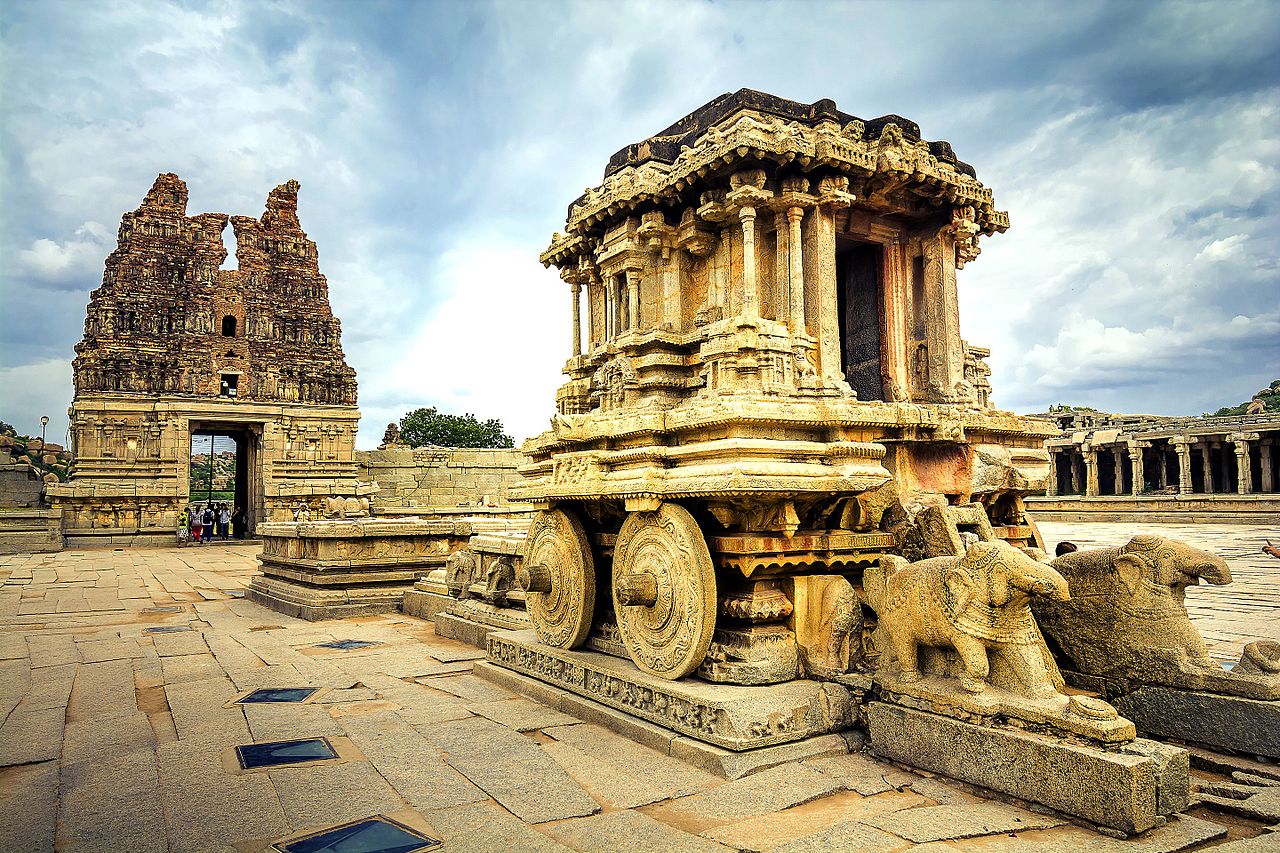
India
Hampi Travel Guide

India
Pondicherry Travel Guide

Cambodia
Battambang Travel Guide

India
McLeod Ganj Travel Guide

Cambodia
Kampot Travel Guide

Photo on Unsplash
Travel Hack