
Overview
Ohrid is a small lakeside town of about 42,000 people on the eastern shore of Lake Ohrid, in southwestern North Macedonia near the Albanian border. The town and the surrounding lake region was inscribed as a dual UNESCO World Heritage Site in 1979-1980 — recognized for both its natural value (Lake Ohrid is one of the world's oldest and deepest lakes, about 5 million years old, home to 200+ endemic species including a unique salmonid trout) and its cultural value (the early Slavic Christian heritage and the medieval Byzantine-era churches). The historic town occupies the steep promontory on the lake's eastern shore, with houses cascading down the hillside in distinctive Ottoman-era timber-frame architecture, capped by the 10th-century Tsar Samuel's Fortress and the iconic Church of St. John at Kaneo, perched on a cliff directly above the water, the most-photographed church in the Balkans.
The lake itself is what makes Ohrid distinctive: it's about 34 kilometers long, 15 kilometers wide, and 288 meters deep, with crystalline visibility (sometimes 20+ meters) that allows snorkeling and freediving along the shoreline. The lake has been continuously inhabited since the Neolithic, with the Bay of Bones underwater archaeological site (a reconstructed Bronze Age stilt village just offshore) and the Ohrid Trout (a salmonid fish endemic to the lake, related to the Adriatic Brown Trout, now protected from commercial fishing but served at restaurants from regulated lake-farms). Lake Ohrid is shared with Albania (one-third of the lake is in Albanian territory), and you can take a boat across to the Albanian side at the village of Pogradec. The lake's eastern shore around Ohrid town is the main tourist area; the western shore around the village of Trpejca and the Galichica National Park (a mountain park between Lake Ohrid and Lake Prespa) are quieter.
Ohrid's cultural depth is the second layer that justifies the UNESCO inscription. The town was the seat of the first Slavic university, founded around 893 AD by Saint Clement of Ohrid (a disciple of Saints Cyril and Methodius, the inventors of the Cyrillic alphabet) — making Ohrid one of the most important sites in the history of Slavic literacy and Orthodox Christianity. The town once held 365 churches (one for every day of the year, by tradition) and is often called the 'Jerusalem of the Balkans'; about 30-40 medieval churches survive, including the 10th-century Saint Sophia Church (one of the most important Byzantine churches in the Balkans, with frescoes from the 11th-13th centuries), the Plaošnik archaeological complex (built on the site of Saint Clement's original 9th-century monastery), and the small cliffside Church of St. John at Kaneo (13th century). Most international visitors stay 2-4 nights, often combined with a longer Balkans route (Skopje, Albania, Greece). The town is significantly less visited than Croatia's coast or Greece's islands but has been growing fast since 2018.

Best Time to Visit
May to September — warm lake water, sunny days
Lake Ohrid's high season runs roughly mid-June through early September, when daytime highs hit 80-90F and the lake water reaches a comfortable swimming temperature (around 70-75F at the surface in mid-summer). May and early June are the genuine sweet spot — clear sunny days in the 70s, the lake is just warm enough for hardy swimmers, and the tourist density is significantly lower than July-August. September is also excellent, the water is warmest in early September from summer accumulation, but the crowds are fading. Late October through April is cold, often foggy, and most lakefront restaurants and hotels close. The annual Ohrid Summer Festival (early July to late August) is the country's most famous cultural festival — open-air opera, concerts, and theater in the historic churches and amphitheater.
Top Attractions
Church of St. John at Kaneo
Entry: $2-$3; boat ride: $4-$8 round tripThe 13th-century cliffside church on a rocky promontory above Lake Ohrid. The canonical Macedonian postcard image, especially at sunset. Small but historically important Byzantine-Macedonian church; minimal interior frescoes survive but the exterior and the location are the draw. Walk down from the old town (15 minutes) or take a boat from the harbor.
Saint Sophia Church (10th Century)
Entry: $3-$5The largest and most historically significant medieval church in Ohrid, built in 1037 by Bulgarian Archbishop Leo. Original 11th-13th century Byzantine frescoes survive in remarkably good condition along the interior walls. Converted to a mosque under Ottoman rule and restored after WWII. The most important medieval Slavic-Byzantine site in the Balkans.
Tsar Samuel's Fortress & Plaošnik
Fortress entry: $2; Plaošnik: $3-$5The 10th-century fortress capping the hill above Ohrid old town, built by the medieval Bulgarian Emperor Samuel as the seat of his short-lived Bulgarian Empire (976-1018). Reconstructed walls and the surviving fortress towers; panoramic view of the lake and town below. The adjacent Plaošnik archaeological complex includes the rebuilt Saint Clement's Monastery (the original 9th-century Slavic university site).
Bay of Bones (Underwater Museum)
Entry: $5-$8; diving: $30-$60A reconstructed Bronze Age stilt-house village at the lakeshore 18 km south of Ohrid, built on the original archaeological site where divers discovered 6,000+ wooden piles in shallow water. Includes a small museum, the reconstructed village (open to walk through), and a snorkeling/diving area where you can see the original archaeological remains underwater. The most distinctive attraction in the Ohrid area.
Lake Ohrid Boat Cruise to Sveti Naum Monastery
Boat round trip: $15-$25; monastery entry $3-$5Sveti Naum is a 10th-century monastery 30 km south of Ohrid (near the Albanian border), accessible by lakefront boat from the Ohrid harbor (1 hour each way) or by road. The monastery sits on a hill with the lake springs gushing out into a pool below; peacocks roam the courtyards. Combine with a lunch at the lakefront restaurants and a swim at the springs (cold ~15°C).
Galičica National Park (Day Trip)
Free park entry; driver-guide $80-$140/dayThe mountain national park separating Lake Ohrid from Lake Prespa, a 45-minute drive from Ohrid to the mountain pass at 1,571m, with panoramic views of both lakes simultaneously. Hiking trails include the moderate Magaro Peak summit (2,255m) and the wildflower meadows in early summer. The road over the pass connects to the village of Trpejca on Lake Prespa.

Local Food
Ohrid Trout (Pastrmka)
$15-$35 per portionThe Ohrid Trout (Salmo letnica), a salmonid fish endemic to Lake Ohrid, served grilled with garlic-olive-oil dressing, baked in salt crust, or with white-wine reduction. The lake-caught fish is protected (only the lake-farmed Belvica is generally legal to serve at restaurants). Letna Bavča Kaneo, Antico Letnica, and Restaurant Sveta Sofia serve the canonical versions.
Ohridska Plata (Macedonian Sharing Plate)
$15-$30 per plate (serves 2-4)The traditional starter, a wooden board with local cheeses (typically Bjelica goat cheese, Macedonian feta, and the smoky Kashkaval), kavurma (slow-cooked spiced beef), pršuta (cured pork), pickled vegetables, ajvar (red-pepper relish), and warm bread. Designed for 2-4 people to share with rakija.
Tavče Gravče (Macedonian Baked Beans)
$5-$12 per portionNorth Macedonia's national dish — white beans baked in a clay pot with onions, paprika, peppers, and (often) sausage or smoky bacon. Served bubbling-hot with bread. Macedonian Restaurant Antiko, Restaurant Letna Bavča, and most traditional Ohrid restaurants serve it. Vegetarian versions widely available.
Burek
$2-$4 per portionThe Balkan filo-pastry pie — Macedonian burek is heavier than the Albanian or Bosnian versions, with a meat (mostly beef-pork), cheese, spinach, or pumpkin filling. Eaten warm at small bakeries (burektorije) throughout Ohrid for breakfast or lunch. The Burek Marlin and small bakeries on Goce Delčev street serve the local standards.
Rakija & Macedonian Wines
Rakija shot: $1-$3; Macedonian wine bottle: $8-$25Rakija. The clear Balkan plum-or-grape brandy, served in small glasses before meals. The Macedonian rakija from the Tikveš and Skopje wine regions is high-quality. Macedonian wines (Tikveš Vranec for reds, Smederevka for whites) are exported throughout Europe; many Ohrid restaurants stock the major labels. The Vinarija Bovin produces excellent Vranec.
Budget Guide
Budget
$35-$80/day
Guesthouses and small lakeside hotels ($20-$50/night) — Villa Forum, Villa St. Sofia, Sunny Lake Hostel. Meals at local restaurants and burektorije ($5-$15 per meal). Walk the historic town, swim at the lake's town beaches (free), self-guided church visits (~$10-$20 total entries). Day trip to Sveti Naum by public bus ($3-$5 round trip).
Mid-Range
$85-$200/day
Boutique hotels in restored Ohrid stone houses ($60-$140/night) — Villa Ohrid Lake View, Aleksandar Palace Hotel, Vila Mal Sveti Kliment. Dinner at Restaurant Letna Bavča (lakefront), Antiko, or Belvedere ($15-$35 per person with Macedonian wine). Boat tour to Sveti Naum + Bay of Bones snorkel + half-day Galičica National Park.
Luxury
$220-$500+/day
Ohrid's luxury inventory is genuinely limited — Aleksandar Palace Hotel (5-star, $150-$280/night), Inex Olgica Hotel & Spa, Inex Gorica Hotel ($120-$220), and private villa rentals on the lakefront ($200-$500/night). Private boat charter for the lake ($150-$300/day), private guide for the historical churches with an art-history specialist, in-room massage, helicopter sightseeing of Lake Ohrid and Galičica.
Travel Tips
Fly into Ohrid St. Paul the Apostle Airport (OHD) — Wizz Air runs seasonal direct flights from London, Vienna, and Memmingen (Munich area); other airlines connect through Istanbul, Vienna, or Belgrade. From Ohrid airport to town is 9 km (15 minutes, $15-$25 by taxi). The alternative is to fly into Skopje (SKP, North Macedonia's capital) and take the 3-hour bus or shared taxi to Ohrid.
Visit churches and monasteries in the morning. The medieval Ohrid churches (Saint Sophia, Plaošnik, Sveti Naum) are most atmospheric early morning when light enters at flattering angles through the high windows. They also have shorter lines and cooler interiors. Avoid the midday hours when tour groups arrive.
Lake water is genuinely cold even in summer. Lake Ohrid's depth (288m max) keeps even surface temperatures down — late August is the warmest, around 73-77F, which feels chilly until you swim out and adjust. Late June water temperatures are 65-70F. Bring water shoes; the lake bottom near the old town is rocky.
Buy the Ohrid combined museum ticket. The City Museum, Saint Sophia, Plaošnik, the National Workshop for Handmade Paper, and several smaller monuments are sold as a combined entry pass — significantly cheaper than individual tickets for visitors doing multiple sites in 1-2 days.
Cash is still widely needed. ATMs (Stopanska Banka, NLB Komercijalna) are clustered around the main town square; most large restaurants and hotels take cards, but small restaurants, boat operators, monastery donations, and church entries are cash-only. Bring Macedonian denar; euros are also widely accepted at tourist-facing businesses.
Combine with Skopje (the capital) and Albanian Riviera for a longer Balkans route. The standard regional itinerary: 2-3 nights Ohrid + 2 nights Skopje + 2 nights Bitola (a smaller, less-visited Macedonian historic city) + 3-4 nights Albanian Riviera (Saranda, Berat, Tirana). All accessible by inter-city buses or a hired driver for $80-$150/day.
Vibes
Ready to visit Ohrid?
Let our AI plan a personalized itinerary with flights, hotels, and activities.
Going with friends? Plan Ohrid together in a group room, where everyone votes on dates and budget and books their own way.
Related reads

Photo by Clay Banks on Unsplash
Destination Guide
A First-Timer's Guide to Tokyo

Photo by Aayush Gupta on Unsplash
Destination Guide
48 Hours in Lisbon: The Perfect Weekend

Photo by Charlotte Noelle on Unsplash
Destination Guide
Hidden Gems of the Amalfi Coast

Photo by KUSHAGRA DHALL on Unsplash
Destination Guide
7 Best Street Food Cities in the World

Photo by Logan Armstrong on Unsplash
Destination Guide
48 Hours in Barcelona: Sun, Tapas, and Gaudi

Albania
Berat Travel Guide
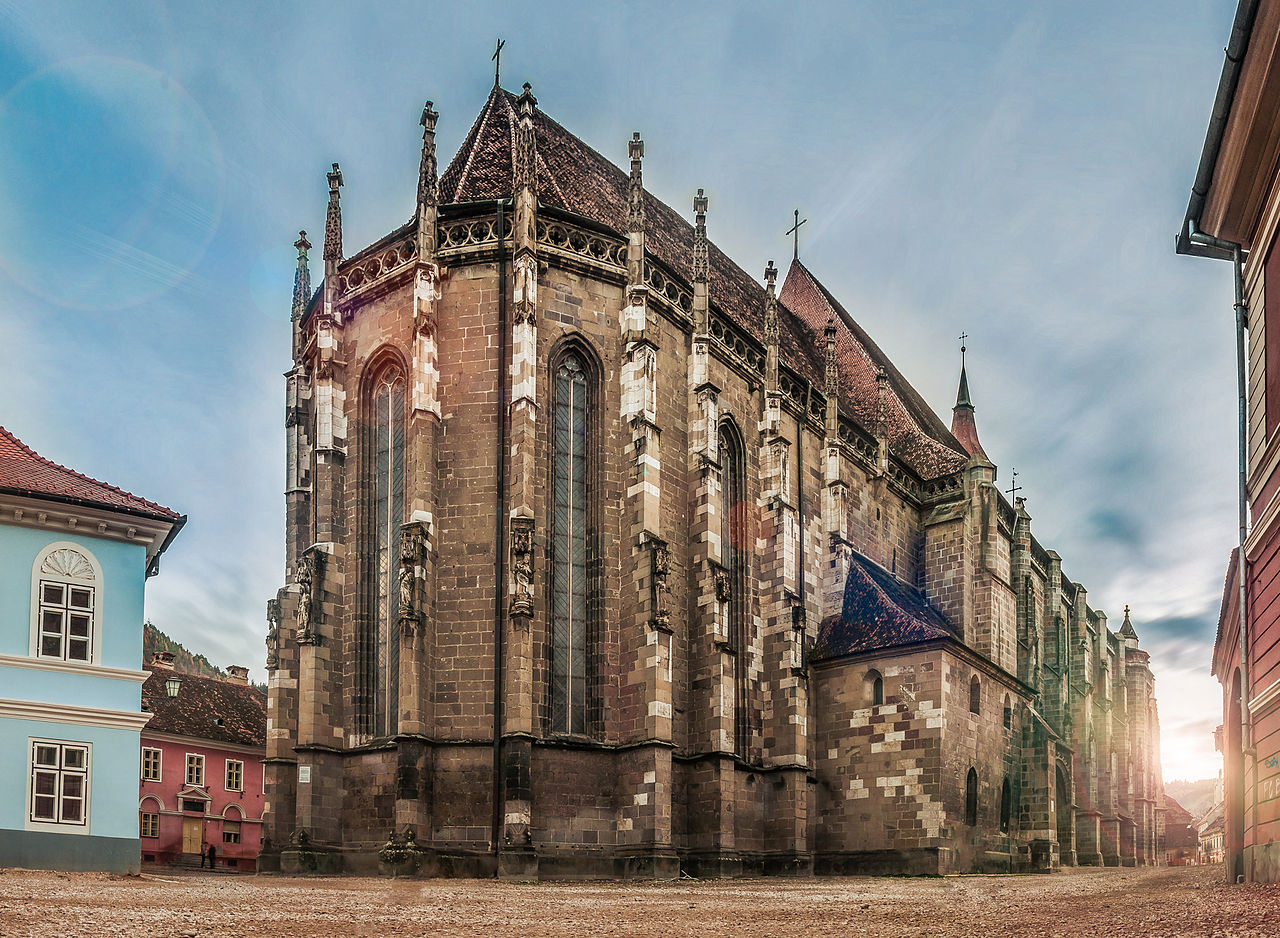
Romania
Brașov Travel Guide

Cambodia
Kampot Travel Guide

Vietnam
Ninh Binh Travel Guide

Faroe Islands
Tórshavn Travel Guide

Portugal
Azores Travel Guide

Photo by redcharlie on Unsplash
Packing Guide