
Overview
Tórshavn is the capital of the Faroe Islands, a self-governing North Atlantic archipelago that is part of the Kingdom of Denmark but operates with its own parliament (the Løgting, one of the oldest continuously operating in the world, founded around 825 AD), currency, and immigration policy. The city sits on the east coast of Streymoy (the largest of the 18 inhabited Faroese islands), at 62°N latitude, roughly the same as Anchorage, Alaska. With a population of about 21,000 in the city and 13,000 more in the surrounding municipality, Tórshavn is one of the smallest capital cities in the world, but it serves as the political, cultural, and economic center of a nation of about 55,000 people total. The name 'Tórshavn' means 'Thor's Harbor' in Old Norse, reflecting the city's Viking founding around 825 AD on what was then a small natural harbor on a treeless rocky promontory.
The defining feature of central Tórshavn is the Tinganes peninsula, a tight cluster of about 30 surviving 14th-to-17th-century wooden buildings on a narrow rocky promontory between the two harbors of Eystaravág and Vestaravág. The Tinganes buildings are unusually preserved: dark-stained Norwegian pine walls, traditional grass-and-turf roofs (a Faroese building tradition adapted to the wet, windy climate), bright red painted window frames, and the original cobblestone alleys between them. Several of the Tinganes buildings still house government offices (the Prime Minister of the Faroe Islands' office is in a 17th-century grass-roofed merchant house), making this one of the world's only working government complexes housed in medieval buildings. The Faroese parliament met on Tinganes from 825 AD until 1856; today the parliament building is a few hundred meters away but the historical continuity is unbroken.
Tórshavn itself is small enough to walk end-to-end in under an hour, but the city functions primarily as the base for exploring the broader Faroe Islands archipelago. The 18 islands are connected by an unusual transport network: 22 sub-sea tunnels (the longest, the 11-km Eysturoy Tunnel, connects Streymoy to Eysturoy and includes the world's only undersea roundabout), 3 ferries (to the smaller western islands of Sandoy, Suðuroy, and Mykines), and 1 helicopter (subsidized by the government to maintain connections to the most remote outer islands). The most-visited destinations within day-trip reach of Tórshavn include Vágar (with the Mulafossur Waterfall pouring directly into the Atlantic Ocean. The most-photographed Faroese landscape), Saksun (a tiny village with grass-roofed houses around a tidal lagoon), the cliffs of Vestmanna (where 600-meter sea cliffs hold one of Europe's largest seabird colonies), and Mykines (the westernmost island, with the famous summer puffin colony). The Faroe Islands have grown rapidly as a tourist destination since 2015 (about 100,000 international visitors in 2019, up from 25,000 in 2010), but remain meaningfully less developed than Iceland and significantly more remote. Most international visitors stay 4-7 nights to cover the main island circuits.

Best Time to Visit
May to August — long daylight, the warmest weeks
The Faroe Islands have a sub-polar oceanic climate that is wet, windy, and cool year-round, daytime highs rarely exceed 55°F even in the warmest summer weeks, and winter daytime highs hover around 40°F. There is no genuine 'warm' season. The ideal travel window is mid-May through August — long daylight (sunset around 11:30pm in June), generally drier weather (though rain is still possible any day), the puffin breeding season on Mykines (mid-April through late August, the puffins leave for the open Atlantic in September), and the most reliable ferry/helicopter schedules. September brings the autumn colors (the famously vivid Faroese moss and grass turn deep orange) but increased storm frequency. Winter (October-April) is dark (only 5 hours of daylight in December), wet, and cold; only the most committed travelers visit. The annual Ólavsøka festival (July 28-29, the Faroese national holiday) is the most important cultural event.
Top Attractions
Tinganes Old Town Walking Tour
FreeThe 14th-to-17th-century wooden government quarter on the Tinganes peninsula, about 30 surviving grass-roofed Norwegian-pine buildings on a tight cobblestone alley network, several still housing government offices (including the Prime Minister's office). Self-guided 30-minute walk from the central Tórshavn harbor; the entire quarter is just 200m × 300m.
Faroese National Gallery (Listasavn Føroya)
Entry: $10-$15The national art museum 10 minutes' walk from the harbor — focused on Faroese art from the 19th century to contemporary, with strong holdings of the Faroese landscape painters (Sámal Joensen-Mikines, Ingálvur av Reyni). Small but excellent collection that gives meaningful context to the Faroese landscape you're about to explore.
Mulafossur Waterfall (Vágar) Day Trip
Free; tunnel toll $11 round tripThe most-photographed Faroese landscape, a 30-meter waterfall pouring directly into the open Atlantic Ocean over a cliff in the village of Gásadalur on Vágar island. 45 minutes from Tórshavn via the Vágatunnilin sub-sea tunnel. Walk along the coastal path from the village to the canonical photo viewpoint. Allow 4-5 hours including driving.
Saksun Village & Tidal Lagoon
Free entry; donation requested at parking $8A tiny village of 12 inhabitants on Streymoy, 1 hour from Tórshavn — grass-roofed black-tar wooden houses around the Pollurin tidal lagoon (an unusual partially-enclosed sea inlet that fills and empties with the tides). The 1858 grass-roofed Saksun church and the small farm museum are the standard stops. Park at the village entrance; private land permits required for parts of the surrounding paths.
Vestmanna Sea Cliffs Bird Cruise
Boat tour: $50-$80 per personA 2-hour boat tour to the 600-meter sea cliffs at Vestmanna, one of Europe's largest seabird colonies (puffins, fulmars, gannets, guillemots, and kittiwakes nesting in the cliff face). The boats enter several sea caves and approach the cliffs closely enough to see the individual birds. May-September season.
Mykines Puffin Colony (Day Trip)
Ferry round trip: $20-$30; helicopter $30-$50The westernmost Faroese island — accessible by ferry from Sørvágur (1 hour) or by helicopter from Vágar (10 minutes, subsidized at $30-$50 per seat). The 2-hour walk from the village to the Mykineshólmur lighthouse passes through one of Europe's most accessible puffin colonies (mid-April through August). Strict visitor caps; book ferries 2-3 months ahead.

Local Food
Skerpikjøt (Wind-Dried Lamb)
Restaurant: $20-$45; supermarket $15-$35/200gThe Faroese signature food — lamb air-dried for 5-9 months in hjallur (traditional ventilated wooden drying sheds) in the wet, salty Faroese coastal air. The flavor is intense, almost cheese-like; eaten sliced very thin with hard bread, butter, and a glass of strong Faroese beer. Aarstova restaurant in Tórshavn serves the most refined version; the home-style is sold at the Bónus supermarket.
Whale Meat & Blubber (Grindabúgvar)
$25-$50 per portionA traditional and genuinely controversial Faroese food — pilot whale meat and blubber, harvested in the annual grindadráp community whale hunt that continues despite international criticism. Served at the most traditional Faroese restaurants and at home, typically as thin slices with potatoes and a sour-cream sauce. Many international visitors choose to skip this; the cultural context is complex.
Koks Tasting Menu
Tasting menu: $400-$600 per personThe Faroe Islands' Michelin 2-star restaurant. The only Michelin-rated restaurant in the country, in a remote location 45 minutes north of Tórshavn. The 17-course New Nordic tasting menu uses exclusively Faroese ingredients (fermented fish, seaweed, hjallur-aged lamb, wild herbs) and is one of the world's most sought-after restaurant reservations. Book 6-12 months ahead.
Faroese Fish Soup
$15-$28 per bowlHearty traditional fish soup with cod or haddock from the surrounding North Atlantic waters, with potatoes, carrots, leeks, and dill. Restaurants in Tórshavn (Áarstova, Barbara Fish House, Etika) serve excellent traditional versions. The standard Faroese first-meal-on-arrival.
Faroese Beer (Föroya Bjór)
Pint: $8-$14; bottle $5-$10The Faroe Islands' only major brewery (founded 1888) — Föroya Bjór produces lagers, IPAs, stouts, and the unusual smoked beers brewed with hjallur-style wood smoke. Available at every Faroese bar and restaurant. The Slupp seasonal Christmas porter is widely regarded as one of Northern Europe's best stouts.
Budget Guide
Budget
$150-$300/day
The Faroe Islands are genuinely expensive, even budget travelers pay a premium. Bládýpi Hostel and Hotel Hafnia ($80-$160/night) are the cheapest Tórshavn options; Airbnb private rooms ($90-$180/night) are sometimes cheaper. Self-catered meals from Bónus or SMS supermarket ($15-$25 per meal). Walk the city, free Tinganes and harbor visits, public bus to Vestmanna ($10 round trip).
Mid-Range
$320-$650/day
Hotel Føroyar (the boutique grass-roofed hotel on the hill above Tórshavn, $180-$350/night), Hotel Brandan, Hilton Garden Inn Faroe Islands ($150-$280/night). Restaurant dinner at Áarstova, Barbara Fish House, or Etika ($60-$120 per person with wine). Day trips to Mulafossur Waterfall, Saksun, and the Vestmanna sea cliffs cruise (rental car $80-$130/day).
Luxury
$700-$1800+/day
Hotel Føroyar Premium Suites ($350-$700/night), Hilton Garden Inn Faroe Islands Executive Suites ($250-$500/night), or rent a private grass-roofed Faroese house ($300-$800/night). The Koks tasting menu (the Michelin 2-star, $400-$600 per person), private guide for the outer islands with photographer support, private helicopter tour of the archipelago ($800-$1,500/hour).
Travel Tips
Fly into Vágar Airport (FAE). The Faroe Islands' only airport, located on Vágar island. Atlantic Airways (the Faroese national carrier), SAS, and Icelandair operate seasonal direct flights from Copenhagen, Reykjavík, Edinburgh, Bergen, Paris, and Barcelona. Flight times: Copenhagen 2h, Edinburgh 1h 30m, Reykjavík 1h 45m. From Vágar Airport to Tórshavn: 45-minute drive via the Vágatunnilin sub-sea tunnel; rental car or airport shuttle ($35-$60).
Rent a car for the islands — public transit is limited. The Faroes have an excellent road and tunnel network connecting the main islands (Streymoy, Eysturoy, Vágar, Borðoy, Viðoy), but public buses run infrequently and don't cover all destinations. Rental cars cost $80-$150/day; book 3-6 months ahead for summer. The sub-sea tunnels charge electronic tolls ($8-$15 round trip).
Book Koks 6-12 months ahead. The Michelin 2-star Koks restaurant is one of the world's most sought-after reservations. The dining room has only 24 seats, dinners run Tuesday-Saturday, and bookings open exactly 6 months ahead through their website. Even off-season weeks book within hours of opening.
Pack waterproof everything. The Faroes' sub-polar oceanic climate means rain is possible any day, often horizontal due to the wind, and the temperature changes 10-15°F within hours. Bring a serious waterproof jacket, waterproof hiking shoes, layers including a fleece, and a windproof hat. The famous Faroese saying: 'If you don't like the weather, wait 5 minutes.'
Use the Slow TV cameras for landscape preview. Visit Faroe Islands (the national tourist board) maintains 24/7 livestream cameras of the major Faroese landscapes (Mulafossur, the Tinganes harbor, the Hvannhagi mountains). Useful for previewing weather conditions and planning the day's trips.
Combine with Iceland for the standard North Atlantic route. The classic itinerary: 4-5 nights Iceland (Reykjavík + Golden Circle + South Coast) + 4-5 nights Faroe Islands (Tórshavn + day trips). Direct flights between Reykjavík (KEF) and Vágar (FAE) make the connection efficient. For longer trips, extend to Norwegian fjords or Shetland (UK).
Vibes
Ready to visit Tórshavn?
Let our AI plan a personalized itinerary with flights, hotels, and activities.
Going with friends? Plan Tórshavn together in a group room, where everyone votes on dates and budget and books their own way.
Related reads

Photo by Clay Banks on Unsplash
Destination Guide
A First-Timer's Guide to Tokyo

Photo by Aayush Gupta on Unsplash
Destination Guide
48 Hours in Lisbon: The Perfect Weekend

Photo by Charlotte Noelle on Unsplash
Destination Guide
Hidden Gems of the Amalfi Coast

Photo by KUSHAGRA DHALL on Unsplash
Destination Guide
7 Best Street Food Cities in the World

Photo by Logan Armstrong on Unsplash
Destination Guide
48 Hours in Barcelona: Sun, Tapas, and Gaudi

Albania
Berat Travel Guide
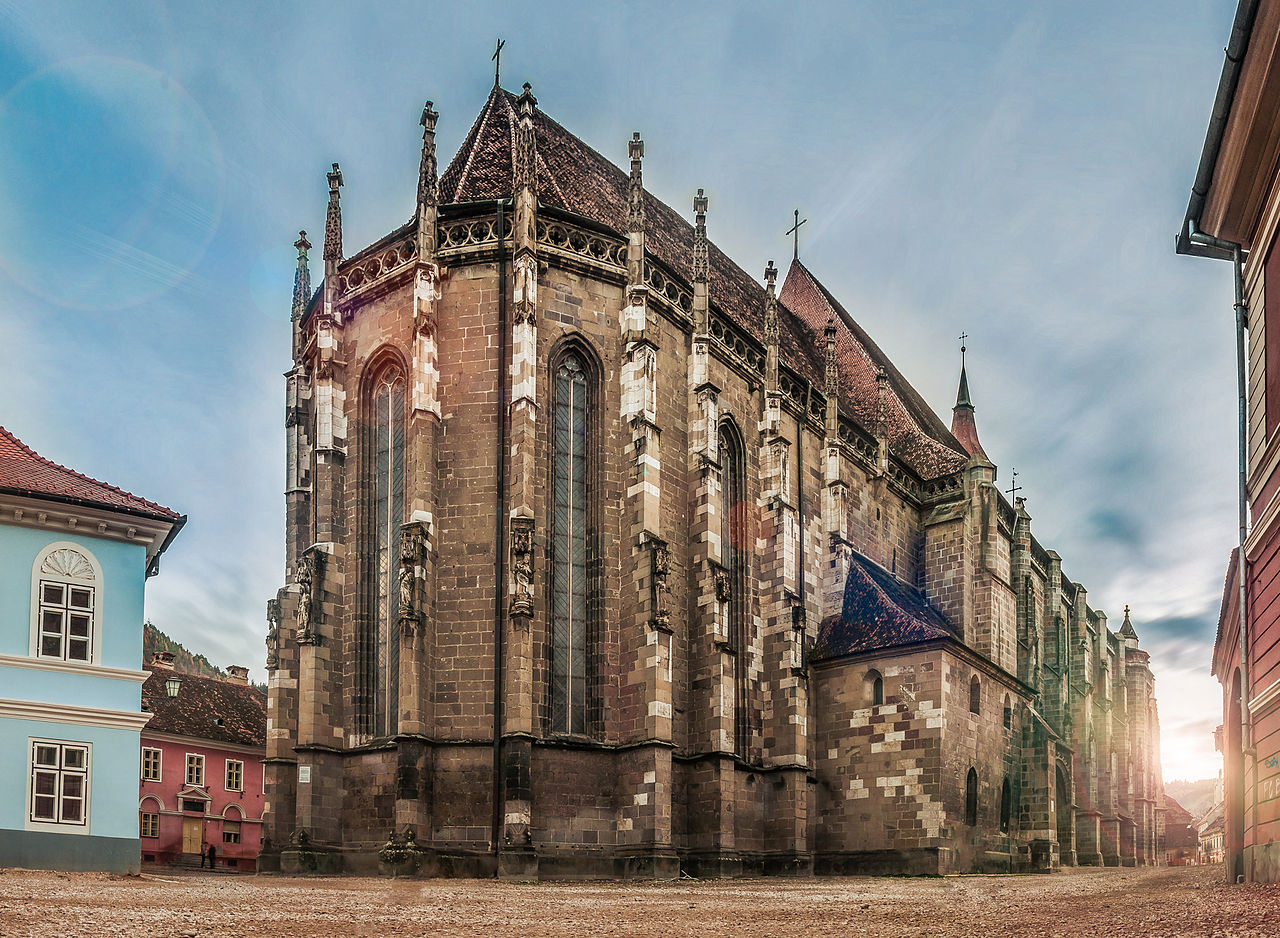
Romania
Brașov Travel Guide

Slovenia
Bohinj Travel Guide

Photo on Unsplash
Norway
Bergen Travel Guide

North Macedonia
Ohrid Travel Guide

Portugal
Madeira Travel Guide

Photo by Sourav Bhaduri on Unsplash
Destination Guide