
Overview
Sapa (or Sa Pa) is a small town of about 60,000 people perched at 1,500 meters in the Hoàng Liên Sơn mountain range of northwestern Vietnam, 320 kilometers northwest of Hanoi and 38 kilometers from the Chinese border. The town was developed by the French colonial administration in 1922 as a hill station (a high-altitude retreat from the heat of Hanoi) and the colonial-era French stone churches, villas, and the small town center still anchor the modern resort layout. What gives Sapa its distinctive travel-quality is the surrounding agricultural landscape: thousands of hectares of stepped rice terraces, painstakingly carved into the steep mountainsides over centuries by the local ethnic minority groups, cascading down from 2,000 meters to the valley floors at 800 meters. In September and October, when the rice is ripening, the terraces turn brilliant gold; in May and June, when they're freshly planted, they reflect the sky as a chain of mirror-pools.
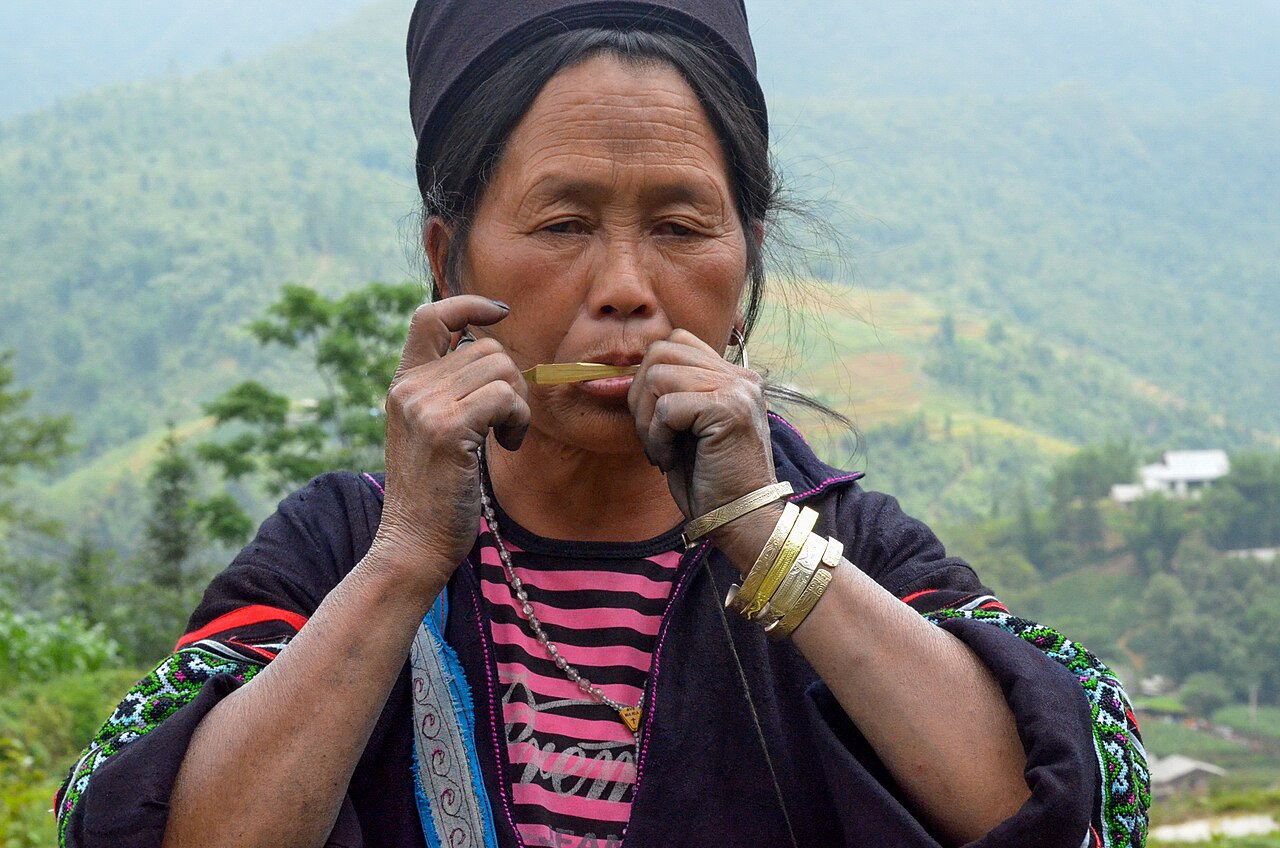
The deeper Sapa context is its six ethnic minority cultures, the Hmong (Black Hmong, White Hmong, and Flower Hmong sub-groups), the Dao (Red Dao and Black Dao), the Tay, the Giay, the Xa Pho, and the Phu La. Each group has its own language (often unrelated to Vietnamese), distinctive dress (the Black Hmong wear deep-indigo hand-dyed hemp; the Red Dao wear distinctive red headdresses), and surviving customs (traditional medicine, embroidery, herbal-bath rituals). The villages within walking or motorbike distance of Sapa town — Cat Cat (Black Hmong, 3 km), Lao Chai and Ta Van (Black Hmong and Giay, 12 km), Ta Phin (Red Dao, 12 km), and the more remote Y Linh Ho — offer the canonical Sapa experience: 1-2 day guided treks staying overnight in a homestay with a local ethnic minority family.
Beyond the trekking and the ethnic minority villages, Sapa now has the cable car to Fansipan, Vietnam's (and Indochina's) highest peak at 3,143 meters. The 6.3-kilometer cable car (opened 2016, world's longest non-stop three-rope cable car) takes you from the Sapa valley to within a 600-step climb of the Fansipan summit; the journey takes about 20 minutes. The summit complex now includes a large Buddhist temple, the 21.5-meter-tall Great Buddha statue, and panoramic viewing platforms. The town itself has expanded significantly with the cable car (more hotels, more restaurants, more crowds) and Sapa is now genuinely commercialized. But it remains the most accessible window into Vietnam's northwest mountain culture, and the right 1-2 day trek into the villages still delivers the experience that made Sapa famous in the 1990s. Most travelers stay 2-4 nights including 1-2 nights of homestay trekking.
Best Time to Visit
March-May and September-October — clear skies
Sapa's mountain climate is meaningfully different from the Vietnamese lowlands. Spring (March-May) brings clear skies, blossoming wildflowers, and the freshly-flooded rice terraces reflecting the sky. Autumn (September-October) is the marquee season. The rice terraces turn brilliant gold as the harvest approaches in late September, and the skies are reliably clear. The off-seasons each have specific appeal: summer (June-August) is warm but rainy, with the terraces deep green; winter (November-February) is cold and often foggy, with occasional snow at higher elevations and a quiet hill-station feel. Cable car visibility is unreliable in winter fog. The Tet holiday (late January-mid February) is busy with domestic tourism.
Top Attractions
Cat Cat Village Half-Day Trek
Village entry: $4; guide optional $15-$30The closest Hmong village to Sapa town, a 3 km walk down into the valley along a paved path, through Black Hmong homes, working hemp dyers, terraced rice fields, and a small waterfall. The most accessible Sapa village experience, often done as a half-day before deeper treks. Walk down, take a motorbike back up.
Lao Chai-Ta Van Village 2-Day Trek (with Homestay)
Tour with guide + homestay + meals: $50-$120 per personThe classic Sapa trek, a guided 2-day hike through the Muong Hoa Valley, visiting Black Hmong (Lao Chai) and Giay (Ta Van) villages, with an overnight homestay with a local family. Distances ~12-15 km/day on muddy paths; moderate fitness required. Includes meals with the host family (typically pork, sticky rice, mountain vegetables) and a sleeping mat in the family's communal room.
Fansipan Summit Cable Car
Cable car + summit train: $30-$45 per personThe 6.3 km cable car (opened 2016) from Sapa Town to within 600 steps of Fansipan's 3,143m summit — Vietnam's highest peak. 20-minute ride over the Muong Hoa Valley with panoramic mountain views (when clear). At the summit: Buddhist temples, the 21.5m Great Buddha statue, and viewing platforms. Allow 4-6 hours total for the round trip.
Ta Phin Village & Red Dao Herbal Bath
Village + half-day tour: $20-$40; herbal bath: $8-$15Ta Phin is a Red Dao village 12 km north of Sapa — known for its embroidered red-headdress textiles and the traditional Red Dao herbal bath. The bath uses 10-15 medicinal mountain plants (including dao do — 'red Dao') simmered for hours, then served in wooden barrels at home-stay establishments. A genuinely distinctive 45-60 minute soak that locals use for muscle recovery and circulation.
Muong Hoa Valley Mountain Bike Tour
Full-day mountain bike tour: $50-$90A 25-30 km guided mountain bike day-tour through the Muong Hoa Valley — terraced rice fields, ethnic minority villages, river crossings, and (the climbing) views back to Sapa town in the distance. The route is gentle downhill from Sapa with a vehicle pickup at the end. Multiple operators (Sapa Outdoor, Indochina Junk) run daily departures.
Sapa Saturday Bac Ha Market (day trip)
Day tour: $35-$70 per personBac Ha is a Flower Hmong market town 110 km east of Sapa. The famous Sunday-only market (some operators also run Saturday Can Cau market) is the largest ethnic minority market in northern Vietnam. Hmong, Dao, Phu La, and Nung vendors selling textiles, livestock, herbs, and prepared foods. Worth the 3-hour drive only if you're in Sapa Sat-Sun.

Local Food
Thắng Cố (Hmong Horse Stew)
$3-$8 per portionThe traditional Hmong feast dish — horse meat and offal slow-simmered with cinnamon, star anise, lemongrass, and mountain herbs in a single large communal pot. Served at Sapa's traditional restaurants (A Phu Sapa Restaurant, Thắng Cố A Quynh) and at the Bac Ha Sunday market. Not for all travelers, but the canonical regional experience.
Cá Hồi (Sapa Salmon Hotpot)
$15-$35 hotpot (serves 2-3)Sapa is home to Vietnam's most successful trout/salmon farms (introduced in 2005, raised at 1,200-1,800m in mountain streams). The standard Sapa restaurant dish is salmon hotpot (lẩu cá hồi), fresh salmon in a tomato-and-mountain-herb broth with vegetables, rice noodles, and a fried-fish-skin garnish. Restaurant Hill Station and A Phu Sapa serve excellent versions.
Cơm Lam (Bamboo-Tube Sticky Rice)
$3-$6 per tubeSticky rice and chicken or pork cooked inside green bamboo tubes over a charcoal fire. The bamboo gives the rice a subtle smoky-floral flavor. A specialty of the ethnic minority villages; sold at the Cat Cat village stalls and at Sapa's Lake Park food vendors. Each tube serves 2-3 people.
Vietnamese Coffee at the Hill Station
Coffee: $3-$5; meals $12-$30The Hill Station Signature Restaurant in Sapa town serves the most refined Vietnamese coffee in Sapa — single-origin Da Lat highlands beans, prepared in the traditional phin filter style with sweetened condensed milk. The same restaurant also serves traditional Hmong-and-French fusion dishes; a worthwhile splurge.
Hmong Corn Wine (Rượu Ngô)
Shot at homestay: free with meal; bottle: $3-$8Distilled clear spirit made from local mountain corn, 30-40% alcohol, served in small glasses at family meals during homestay treks. Strong and smoky-character. Bottled versions sold at the Sapa central market and the village handicraft shops for $3-$8 per bottle.
Budget Guide
Budget
$25-$70/day
Sapa town hostels and small guesthouses ($8-$25/night) — Sapa Eco Home, Sapa Family House. Village homestays during treks ($10-$25/night per person including all meals). Eat at the central market food stalls and street vendors ($2-$5 per meal). One 2-day trek with homestay covers most of the highlight experience.
Mid-Range
$70-$200/day
Mid-range hotels in Sapa town center ($40-$120/night) — Sapa Centre Hotel, Sapa Snow Hotel, Sunny Mountain View. Restaurant meals at A Phu Sapa, Le Bordeaux, Hill Station ($10-$30 per person). Guided 2-day trek with homestay + Fansipan cable car + Bac Ha market day trip.
Luxury
$280-$700+/day
Hotel de la Coupole MGallery (a 5-star French-colonial luxury hotel in central Sapa, $200-$500/night), Topas Ecolodge (boutique mountain bungalows 18 km from town, $200-$500/night with private terrace views), or Pao's Sapa Leisure ($150-$350). Private guide trekking, helicopter transfer from Hanoi, private dinner at Hill Station, private Fansipan summit experience with priority cable car.
Travel Tips
Take the overnight train from Hanoi to Lao Cai (8 hours), then the 38-km road transfer up to Sapa (1 hour by minibus). The trains (Chapa Express, Victoria Express, SP3) depart Hanoi around 9-10pm and arrive Lao Cai around 6am, with sleeper berths ($25-$70) and a full restoration sleep. Direct buses from Hanoi (5-6 hours, $15-$25) on the new expressway are now also a strong option and arrive in central Sapa.
Hire a Hmong or Dao female guide directly from the village, not a generic tour guide. Many of the Hmong women in Sapa town speak good English, learned by guiding travelers; they know the trail networks intimately and the homestay arrangements work better with them. Most cost $15-$30/day for guiding. The Sapa O'Chau social enterprise (a Hmong-women's cooperative) is the canonical place to book.
Pack layers and waterproofs even in summer. Sapa's mountain climate is meaningfully cooler than the Vietnamese lowlands, daytime highs in the 60s-70s most of the year, nighttime lows in the 40s-50s. Sudden afternoon thunderstorms in summer and dense morning fog in winter are routine. Walking shoes with grip are essential on the muddy village trails.
Book Fansipan cable car for early morning. The 20-minute cable car ride and the summit views are dependent on weather; mornings (7am-10am) have the best clarity. By midday, low cloud cover often rolls in and obscures the view. Lines build later in the day. Buying online ahead of time saves time at the ticket booth.
Cash is essential for village transactions. Sapa town has ATMs (Vietcombank, BIDV) and most hotels take cards, but the village homestays, ethnic minority handicraft sellers, and trekking guides all expect cash (Vietnamese dong). Bring enough for several days of village payments at small denominations.
Combine with Hanoi and Halong Bay for the standard northern Vietnam route. The classic itinerary: 3 nights Hanoi + 2-3 nights Sapa (with 1-2 nights of village homestay) + 2 nights Halong Bay (or Lan Ha Bay) + return to Hanoi. The night train integrates well with this loop.
Vibes
Ready to visit Sapa?
Let our AI plan a personalized itinerary with flights, hotels, and activities.
Going with friends? Plan Sapa together in a group room, where everyone votes on dates and budget and books their own way.
Related reads

Photo by Clay Banks on Unsplash
Destination Guide
A First-Timer's Guide to Tokyo

Photo by Aayush Gupta on Unsplash
Destination Guide
48 Hours in Lisbon: The Perfect Weekend

Photo by Charlotte Noelle on Unsplash
Destination Guide
Hidden Gems of the Amalfi Coast

Photo by KUSHAGRA DHALL on Unsplash
Destination Guide
7 Best Street Food Cities in the World

Photo by Logan Armstrong on Unsplash
Destination Guide
48 Hours in Barcelona: Sun, Tapas, and Gaudi

India
McLeod Ganj Travel Guide

Vietnam
Ninh Binh Travel Guide
Vietnam
Phong Nha Travel Guide

India
Rishikesh Travel Guide
India
Hampi Travel Guide

Cambodia
Battambang Travel Guide

Photo on Unsplash
Jettova News