
Overview
Beaufort (pronounced 'BYOO-fort,' not the French way) is a small coastal city of about 13,000 residents on Port Royal Island in the South Carolina Lowcountry, 110 kilometers southwest of Charleston and 80 kilometers north of Savannah, Georgia. The town is the second-oldest in South Carolina (founded 1711, after Charleston in 1670) and the second-largest historic district in the country (behind Charleston). The entire downtown is a National Historic Landmark District with about 100 surviving antebellum mansions in the distinctive Lowcountry style (large piazzas/porches facing the prevailing summer breezes, raised foundations to escape the seasonal flooding, double-tiered porticos, the surrounding live-oak-and-Spanish-moss canopies that define the Lowcountry visual landscape). The town was founded as a planned colonial settlement on the model of Charles Town (modern Charleston) and grew prosperous through the 18th-century deerskin trade with the Creek Native Americans and the 19th-century Sea Island cotton plantations.
Beaufort's defining cultural depth comes from the surrounding Sea Islands (the chain of barrier islands extending south to Tybee Island near Savannah) and the surviving Gullah Geechee culture. The Gullah Geechee people are the descendants of West African slaves who were brought to the Sea Islands to work the colonial-and-antebellum rice and cotton plantations. The relative isolation of the Sea Islands (no road connections to the mainland until the early 20th century) allowed the Gullah Geechee to preserve a distinctive culture combining African (particularly Sierra Leonean, Liberian, and Senegalese) traditions with the Lowcountry geography, including the Gullah language (an English-based creole with significant West African vocabulary and grammar, still spoken by about 200,000-300,000 people across the South Carolina/Georgia/Florida coast), distinctive Gullah cuisine (the famous shrimp-and-grits, frogmore stew/Lowcountry boil, hoppin' John, gumbo), traditional Gullah sweetgrass basket weaving (a UNESCO-recognized craft tradition still practiced in St. Helena Island and the surrounding communities), and the Gullah spiritual traditions (Praise houses, the famous 'shouting tradition' worship style that influenced American gospel music). The Penn Center on St. Helena Island (the historic 1862 school for freed slaves, now operating as a cultural center and museum) is one of the most important Gullah cultural sites.
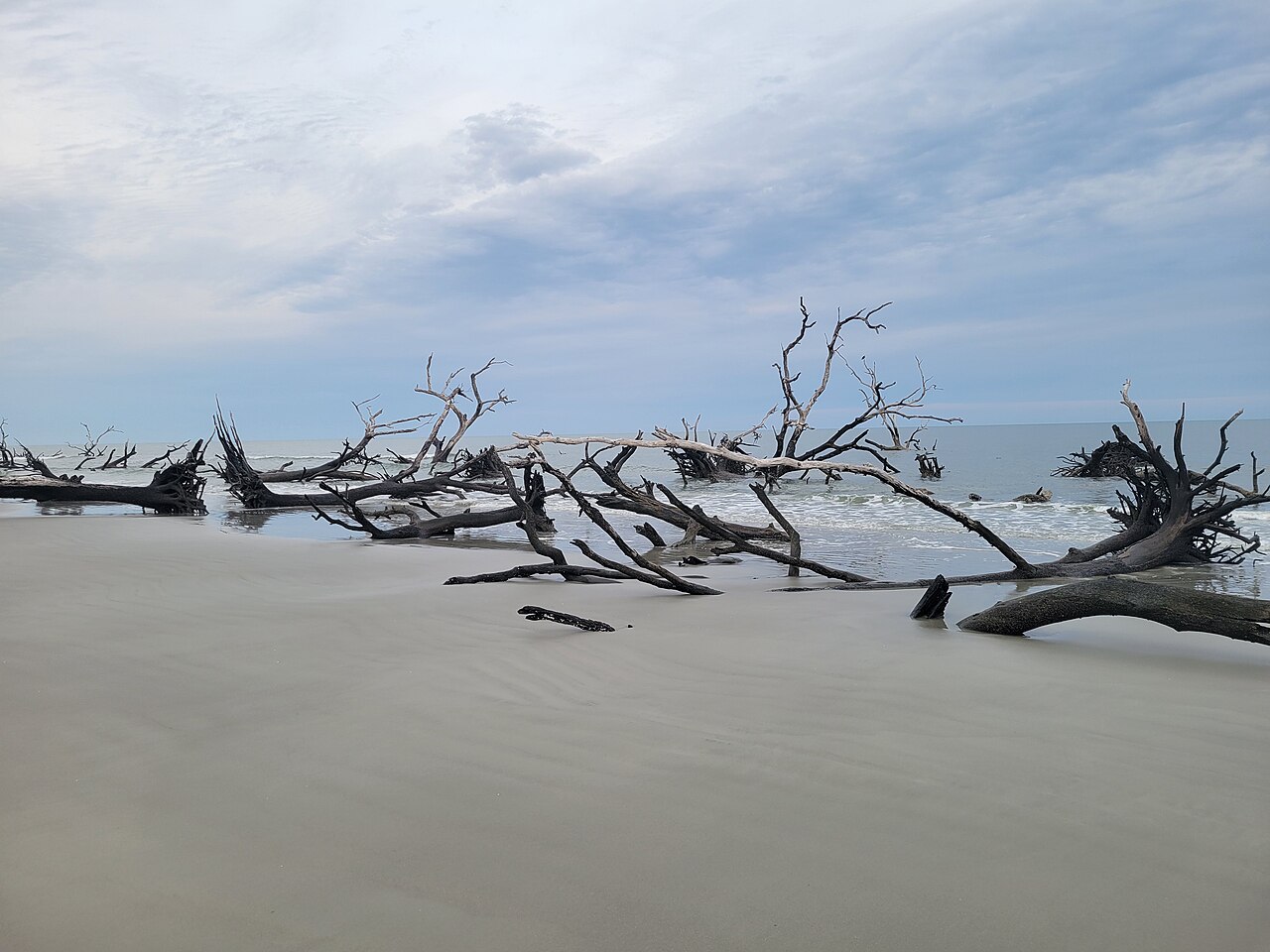
Beyond the cultural depth, Beaufort offers significant natural and recreational attractions. Hunting Island State Park (32 km east of Beaufort on Hunting Island) is one of South Carolina's most-visited state parks, a barrier island with 8 km of pristine sand beach, the famous 1875 Hunting Island Lighthouse (the only publicly accessible lighthouse on the South Carolina coast; visitors can climb the 167 steps for panoramic views), surrounding salt-marsh boardwalks, and the famous 'graveyard of trees' (dramatic dead-tree skeletons standing on the beach where the rising sea has eroded the original forest). The surrounding ACE Basin (the 350,000-acre estuary at the confluence of the Ashepoo, Combahee, and Edisto rivers) is one of the largest undeveloped estuarine systems on the US East Coast. Beaufort is the gateway to Daufuskie Island (the most isolated Gullah cultural site, accessible only by boat from Hilton Head; the famous Pat Conroy novel 'The Water Is Wide' is set on Daufuskie). The town is also closely associated with the writer Pat Conroy (Beaufort native; 'The Prince of Tides,' 'The Great Santini,' and 'The Water Is Wide' are set in the Beaufort and surrounding Sea Islands area; the famous filming locations for several Hollywood adaptations are on Beaufort's waterfront). Most international visitors stay 2-4 nights in Beaufort, often combined with Charleston and/or Savannah on a longer Lowcountry coastal route.

Best Time to Visit
March to May and October-November — mild weather, less humidity
Beaufort has a humid subtropical climate. The genuine sweet spots are spring (March-May) and autumn (October-November), daytime highs of 70-82F, low humidity, the famous azalea and dogwood spring bloom (March-April), the surrounding Spanish-moss canopies at their most photogenic. Summer (June-September) is hot and humid, daytime highs of 85-95F+ with 80-90% humidity make outdoor walking genuinely uncomfortable; afternoon thunderstorms are routine. Winter (December-February) is mild (50-65F daytime), occasionally cool but never genuinely cold. Hurricane season (June-November) brings occasional but real threats; September-October is the peak risk. The famous Water Festival (mid-July) and the Gullah Festival (Memorial Day Weekend, late May) are the largest cultural events.
Top Attractions
Bay Street Historic Walking Tour
Free walking; museum entry $5-$10Walk Bay Street (the central waterfront) and the surrounding historic district, about 100 surviving antebellum mansions including the John Mark Verdier House (1804, the original Beaufort merchant's mansion), the Edgar Fripp House (1856, the famous 'Tidalholm' from 'The Big Chill' film), the John A. Cuthbert House, and the surrounding Lowcountry-style architecture. The Beaufort History Museum on Bay Street provides context.
Hunting Island State Park & Lighthouse
Park entry: $5-$10 per person; lighthouse climb $2-$5South Carolina's most-visited state park, 32 km east of Beaufort, 8 km of pristine sand beach, the 1875 Hunting Island Lighthouse (climb the 167 steps for panoramic Atlantic views; the only publicly accessible lighthouse on the SC coast), surrounding salt-marsh boardwalks, and the famous 'graveyard of trees' (eroded forest skeletons on the beach). Standard half-day or full-day visit.
Penn Center & Gullah Culture
Center entry: $5-$10; museum includedThe historic 1862 school for freed slaves on St. Helena Island, 12 km east of Beaufort — Penn Center was one of the first formal schools established for African Americans in the South after the Civil War. Now operates as the most important Gullah Geechee cultural center, with the small but excellent York W. Bailey Museum (Gullah culture and history), the historic school buildings, and the surrounding St. Helena community.
Cypress Wetlands & Walking Trails
FreeThe 50-acre nature preserve in central Beaufort (just east of downtown) — wooden boardwalks through cypress swamps with reliable alligator sightings, native bird species (including herons, egrets, ibises), and the surrounding live-oak-and-Spanish-moss canopy. 30-60 minute walk; the most accessible Lowcountry natural environment for first-time visitors.
Sea Island Plantation Tour
Free for ruins; guided tour $30-$80Several surviving Sea Island plantations are now open for visits — Coffin Point Plantation (a restored 1801 plantation house on St. Helena Island), the Old Sheldon Church ruins (the dramatic 1751 Anglican church ruined by Sherman's army in 1865, surrounded by live-oak trees), and the surrounding plantation roads. Self-guided driving tour or guided tour ($30-$80) with a Gullah cultural specialist.
Daufuskie Island Day Trip
Ferry $30-$50 round trip; rental cart $30-$60The most isolated Gullah cultural site, accessible only by boat from Hilton Head (30 minutes by passenger ferry, $30-$50 round trip), small population of about 400, no cars allowed, golf-cart or bike transport only. The famous Pat Conroy novel 'The Water Is Wide' is set on Daufuskie. Visit the small Daufuskie Island Marsh Tackies (the native horses), the surviving Gullah church, and the small art galleries. Day trip from Beaufort: 90-minute drive to Hilton Head + ferry.
Local Food
Shrimp and Grits
$15-$28 per portionSouth Carolina Lowcountry's signature dish — locally caught shrimp in a savory pepper-and-tomato gravy over creamy stone-ground grits, often topped with bacon, scallions, and sharp cheddar. The famous Old Bull Tavern, Saltus River Grill, and Plums Restaurant (downtown waterfront) all serve excellent versions. The standard Beaufort breakfast or lunch.
Frogmore Stew (Lowcountry Boil)
$25-$45 per personThe defining Lowcountry communal feast — shrimp, smoked sausage, corn-on-the-cob, and red potatoes boiled together in spicy Old Bay seasoning, traditionally poured directly onto newspaper-covered tables for communal eating. Named for the Sea Island village of Frogmore (St. Helena Island). Saltus River Grill, Plums, and the Sea Eagle Market (which sells the ingredients for home preparation) serve traditional versions.
She-Crab Soup
$10-$18 per bowlThe Lowcountry's most celebrated soup — cream-based soup made with blue-crab meat, crab roe, sherry, and mace, traditionally served with a drop of dry sherry added at the table. Plums, Saltus River Grill, and Breakwater Restaurant serve canonical versions. Named because the dish traditionally uses female ('she') blue crabs whose roe gives the soup its distinctive flavor.
Gullah Geechee Soul Food
$12-$30 per mealThe traditional Gullah Geechee cuisine — okra soup, hoppin' John (black-eyed peas and rice, the Lowcountry New Year's Day tradition), red rice, gumbo with okra, pulled pork barbecue with Sea Island sweet potato. Hometown Bistro, Cousin Pearl's Soul Food, and the small St. Helena Island Gullah restaurants serve traditional versions. Cultural-tour-of-Gullah-cuisine experiences also available.
Local South Carolina Craft Beer & Sweet Tea
Sweet tea: free with most meals; craft beer pint $6-$10Sweet tea (the standard non-alcoholic Lowcountry drink — strong-brewed black tea sweetened heavily and served chilled with lemon) is the standard accompaniment to every Beaufort meal. Local craft beer scene: Lowcountry Lemonade, Coast Brewing Company, and the surrounding South Carolina craft producers. Most restaurants serve both.
Budget Guide
Budget
$100-$240/day
Mid-range chain hotels in Beaufort outskirts ($80-$160/night) — Hampton Inn, Holiday Inn Express, Best Western. Self-catered meals from the local Publix or Piggly Wiggly, casual restaurants ($12-$25 per meal). Free walking the historic downtown, Hunting Island State Park entry ($5-$10), self-guided plantation drives.
Mid-Range
$220-$500/day
Boutique B&Bs in restored antebellum mansions ($140-$320/night) — Beaufort Inn, The Rhett House Inn (the famous Pat Conroy-associated boutique), TwoSuns Inn. Restaurant dinner at Saltus River Grill, Old Bull Tavern, or Plums ($45-$95 per person with cocktails). Penn Center cultural tour, full-day Hunting Island excursion, Daufuskie Island day trip, half-day Gullah cuisine tour.
Luxury
$420-$900+/day
Beaufort Inn Premium Suite ($250-$500/night), The Rhett House Inn ($220-$450), Beaufort Hotel ($200-$450). Private guide for the historic district with Pat Conroy/film-location specialist, private Gullah cultural day with a Gullah-language educator, private chef-led Lowcountry cooking class, private boat charter to Daufuskie or the surrounding Sea Islands, helicopter tour over the ACE Basin.
Travel Tips
Fly into Charleston (CHS) or Savannah (SAV) — both about 80-110 km from Beaufort, ~1.5 hours by car. Charleston has more direct flights from US East Coast and major hubs; Savannah is closer geographically but has fewer flights. Hilton Head Airport (HHH) is closer (50 km) but has very limited regional flights only. Rental cars from any of the three are essential ($35-$90/day).
Stay overnight rather than day-tripping. Many international visitors do Beaufort as a day-trip from Charleston or Savannah — missing the genuinely special evening atmosphere when the day-tripper crowds depart and the Lowcountry sunset over the Beaufort River silhouettes the live-oak-and-Spanish-moss canopies. The 2-3 night Beaufort stay genuinely rewards the slower pace.
Visit during shoulder seasons. The mid-July Water Festival and Memorial Day Weekend Gullah Festival both bring meaningful summer crowds and humidity. Late March/April (with the azalea and dogwood bloom) and October/November (with the cooler temperatures) are the genuine sweet spots — beautiful weather, fewer crowds, the Lowcountry at its most photographic.
Bring insect repellent for the marsh boardwalks. The Lowcountry has substantial mosquito populations during the warmer months (May-October); the surrounding salt marshes and the Hunting Island State Park boardwalks have particularly persistent insect activity at dusk. Bring DEET-based or picaridin repellent for the morning and evening walks.
Drive carefully — alligators are common. The Cypress Wetlands and surrounding state parks have reliable alligator sightings; the surrounding tidal creeks support significant alligator populations. Don't approach or feed; alligators can move surprisingly fast over short distances. Standard South Carolina alligator-safety precautions: stay 60+ feet away, never approach a nest, don't swim in marsh water.
Combine with Charleston and Savannah for the full Lowcountry route. The classic itinerary: 3-4 nights Charleston (the famous historic city + Folly Beach + The Battery + Magnolia Plantation) + 2-3 nights Beaufort (with Sea Islands cultural depth) + 2-3 nights Savannah (Georgia's historic riverfront city). The full Lowcountry route takes 7-10 days; all three cities are 1.5-2 hours apart by car.
Vibes
Ready to visit Beaufort?
Let our AI plan a personalized itinerary with flights, hotels, and activities.
Going with friends? Plan Beaufort together in a group room, where everyone votes on dates and budget and books their own way.
Related reads

Photo by Clay Banks on Unsplash
Destination Guide
A First-Timer's Guide to Tokyo

Photo by Aayush Gupta on Unsplash
Destination Guide
48 Hours in Lisbon: The Perfect Weekend

Photo by Charlotte Noelle on Unsplash
Destination Guide
Hidden Gems of the Amalfi Coast

Photo by KUSHAGRA DHALL on Unsplash
Destination Guide
7 Best Street Food Cities in the World

Photo by Logan Armstrong on Unsplash
Destination Guide
48 Hours in Barcelona: Sun, Tapas, and Gaudi

Cuba
Trinidad Travel Guide

Cuba
Cienfuegos Travel Guide

USA
Door County Travel Guide
USA
Newport Travel Guide

Photo on Unsplash
Colombia
Cartagena Travel Guide

Photo on Unsplash
Canada
Halifax Travel Guide

Photo on Unsplash
Travel Hack